Introducing RE/MAX Affiliates Results Realty – New name, same great team!

Should I Buy an Investment Property?
Last updated on November 7th, 2025 at 12:03 pm

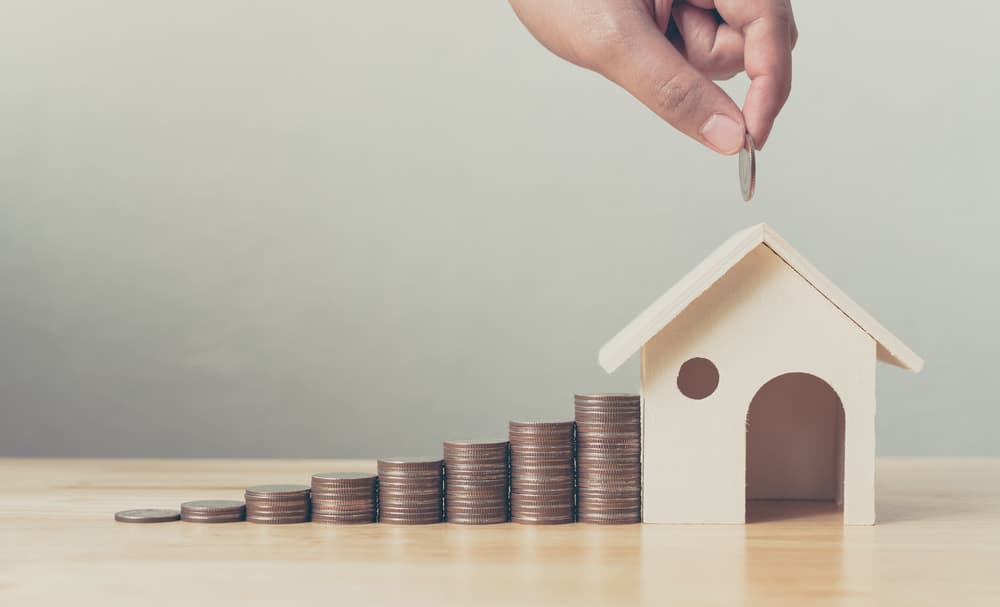
Buying a home is a lifelong dream and accomplishment for many Canadians. In addition to buying a home to live in, many are choosing to buy an investment property to provide a steady flow of rental income, then proceeding to cash in as the property appreciates over time.  Whether you would like to buy a single-family home, duplex, triplex, or apartment building, rental properties can be a smart investment. For example, buying a triplex near Carleton University or the University of Ottawa could bring in enough money each month to pay for expenses in that building and your home. Or you could purchase a single-family home in Westboro or the Civic Hospital area, then rent it out to an executive or diplomatic family for a steady income.  However, buying an investment property isn’t for everyone, as you have to deal with tenants, maintenance duties, and unexpected expenses.

What is an Investment Property?

An investment property is a home, complex, or other piece of property that is acquired with the intention of using it to gain a return on one’s own investment. To put it another way, when you buy or put money into an investment property, you’re not necessarily concerned with living in or otherwise using the property yourself. Instead, it’s treated almost like a business, and as an investment, it should generate a source of income to be viable. This can involve:
  • Leasing
  • Selling
  • Renting
  • Using the property as a vehicle to drive up a profit for yourself
Investment properties are sometimes conflated with quick property sales or “house flipping,” which is the practice of buying, renovating, and selling a home with the goal of generating the quickest and largest profit possible. However, in this context, we’re talking about buying a home to benefit from the monthly rental income.

Should You Buy an Investment Property?

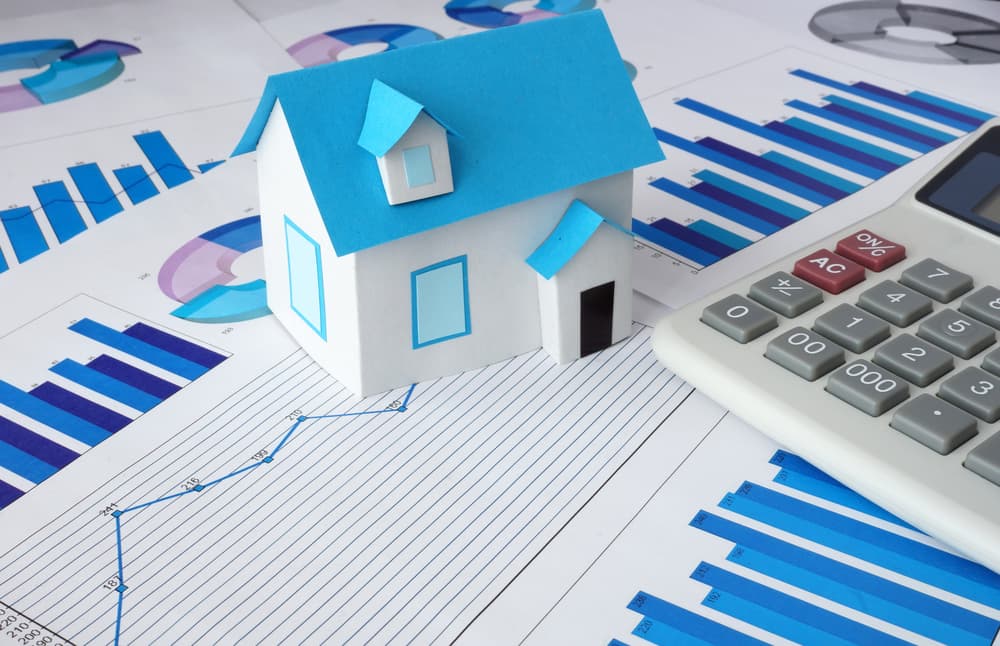
That depends upon your interests and expectations. House flipping is a very controversial subject among those in the know economically and otherwise, and so while the “quick investment, quick reward” aspect may seem alluring, it probably behooves you to do an extensive amount of research before deciding.  Talk to the Results Realty team, and we’ll help you make the right decision for your current and future needs. For example, it may make sense for you to dip your toes in the market by buying a single apartment or condo as an investment property.  On the “flip” side, investing in properties that can be rented on a more long-term, sustainable basis may be the more solid choice.  As stated, it’s harder for many to buy homes now than it has been in the past few decades. Additionally, consider that there are numerous university students seeking good, affordable apartments to rent and diplomats looking for reliable short-term housing options in Ottawa. Then, the market for properly managed investment properties becomes apparent. Should I Buy an Investment Property? 6 Things to Consider
Understanding the Ottawa Market for Investment Properties

Despite fluctuating economic cycles, Ottawa’s rental market remains strong. The city’s stable employment base (thanks to government positions, universities, and international organizations throughout the city) keeps rental demand high year-round. Students, professionals, and diplomatic families all require well-located, high-quality housing, which makes Ottawa a dependable location for owning an investment property.
  • Neighbourhoods like Hintonburg, Little Italy, and Centretown attract young couples and professionals looking to balance city life with community charm. 
  • Sandy Hill and Old Ottawa South remain popular among university students
  • Barrhaven and Orleans appeal to families who value space and schools
  • Kanata is home to many tech professionals and Department of National Defence employees
The variety of renters in these neighbourhoods provides investors with flexibility when choosing the type of property to buy, ranging from condos and duplexes to larger multi-unit homes. Despite the economic downturn, the average rent in Ottawa continues to rise, which creates a solid foundation for consistent rental income. Investors who purchased just a few years ago are now seeing both consistent, albeit slower, appreciation and steady monthly returns, and that momentum isn’t showing signs of slowing anytime soon.

Financing an Investment Property

One of the most common questions for new investors is: Do you need 20% down for an investment property in Canada? The answer is yes, for non-owner-occupied properties, most lenders require a minimum 20% down payment. The reason is simple: investment properties carry more risk from a lender’s perspective, so higher equity helps offset potential losses. If you plan to live in one unit of a duplex or triplex, however, your down payment could be as low as 5 to 10%, since the property would then be considered partly owner-occupied.  Qualification standards are also tighter for investment mortgages. Lenders may use only a portion of your expected rental income when calculating your debt-to-income ratio, which makes it especially valuable to work with an experienced mortgage broker. At Results Realty, we’re happy to recommend one that suits your needs.

5 Tips on Property Investments and Management

Investment Property

1. Becoming a Landlord

Being a landlord isn’t a sit-back-and-kick-back sort of job. Your tenants rely on you to maintain a safe, inviting, and clean property when it comes to shared spaces and the exterior. In addition, if something essential needs fixing, like the heating, air conditioning, roof, plumbing, electrical, or otherwise, you need to be able to resolve the issues appropriately. Otherwise, you risk losing tenants, and if you’re charging sky-high rent, this can mean not easily getting new renters. There’s nothing wrong with not being landlord material – it’s better to accept this before diving in – but there could be serious issues ahead if you bite off more than you can chew.

2. Being Financially Prepared

You also need to be responsible financially. Utility payments for anything not included with rent, snow removal expenses if you’re older or have a massive parking area to look after, and any fees associated with bylaws or otherwise need to be accounted for – literally! Landlords who don’t look after their investment properties and those who call them home are what give the title a bad name – don’t be one of them!

3. Considering Charging Below the “Standard” for Rent

Renting in Ottawa is anything but affordable for most people, with average monthly rates being higher than ever before, including utilities. Instead, consider investing in a property that costs less but can accommodate at least three units rather than one or two. That way, you can charge a bit less for rent and still generate income, and the amount you owe on the building should be less initially as well. This income generated from rents can be put towards mortgage payments, maintenance costs, and renovations.

4. Putting Your Tenants First

Charging reasonable rents that everyday folks can actually afford is also an excellent way to retain some seriously wonderful and friendly tenants who appreciate your efforts, and they might even be less picky compared to those who pay double the price for the same square footage (understandably so either way).  Ottawa is a city tragically short on affordable housing, and a negative stigma surrounds renters. As it turns out, plenty of folks prefer to rent rather than purchase a home or compromise on quality of living due to having little in the way of substantial savings. Prove the rumour mill wrong and make your property investment an opportunity for someone to have a well-appointed, clean, and safe new place to call home! 

5. Working with Professional Property Management

Not everyone wants to handle leaking faucets at midnight or chase overdue rent – and that’s OK. If hands-on property management is not for you, you can always hire a professional property management company to take care of everything from tenant screening to monthly rent collection. They can even coordinate repairs and inspections, freeing you from the day-to-day tasks while still ensuring the property is well-maintained. For investors with full-time careers or multiple rental units, property management often pays for itself through reduced vacancies, fewer headaches, and happier tenants. It turns real estate investing from a second job into a passive income stream, which is exactly what many investors are after in the first place.

Final Word: Planning for Long-Term Success

Owning an investment property is more than collecting rent – it’s running a small business. So treat it that way: keep organized records, carefully track income and expenses, and plan for future upgrades that can boost property value and attract quality tenants. As time passes and your property appreciates, you may consider refinancing it to access the built-up equity and purchase another rental property, providing you with a realistic path to long-term wealth. Want to learn more about property investment opportunities in the National Capital Region? Speak with a real estate agent from the Results Realty team to discuss your options!  We’re happy to help you find the right property for your needs and budget.